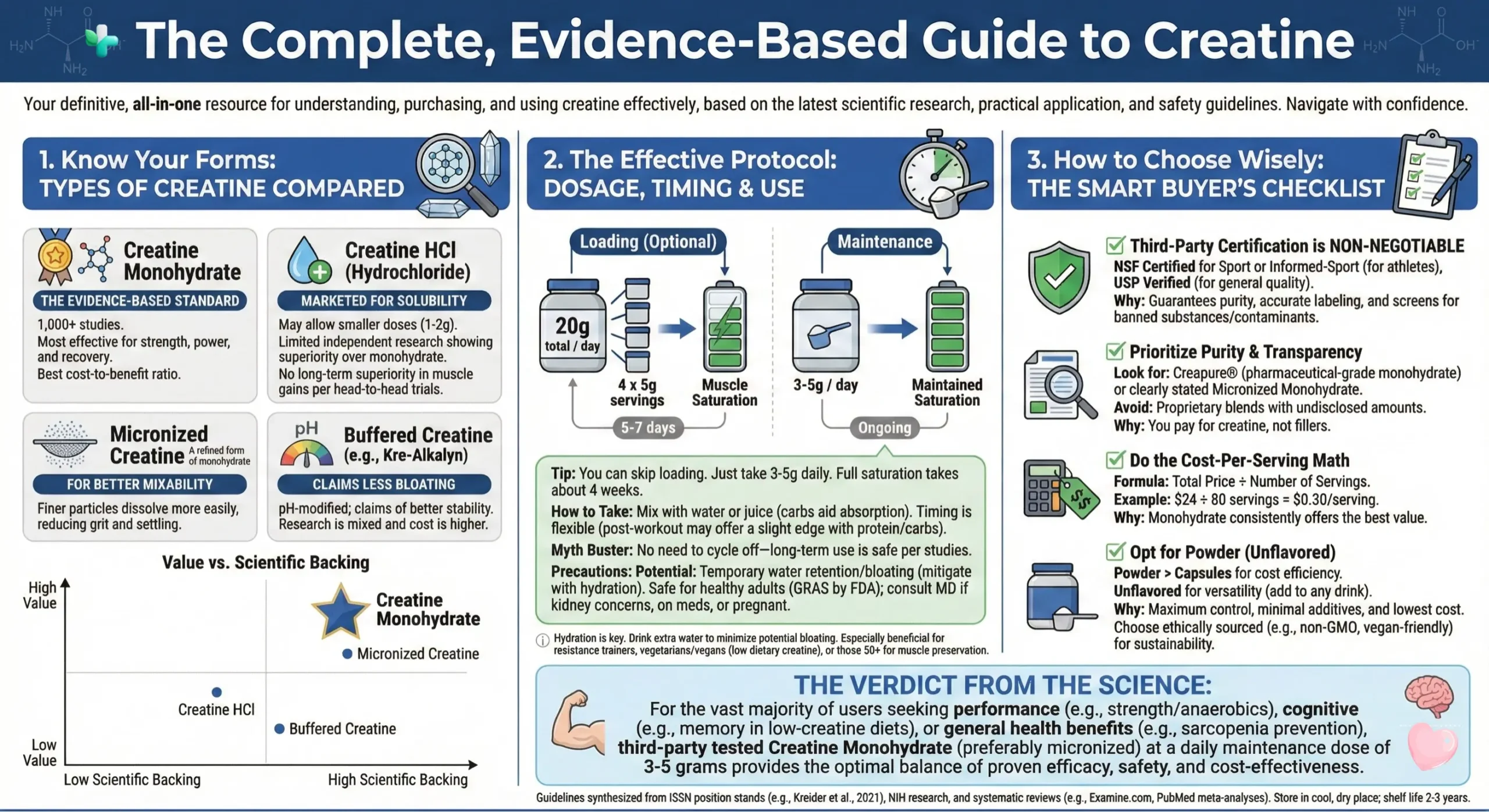
The Short Answer: Creatine may help with brain fog for some people—mainly when mental fatigue is tied to poor sleep, heavy cognitive load, low dietary creatine (like vegetarian diets), or intense training. A practical dose is 3–5 grams daily, and creatine monohydrate is still the most studied form.[1]
- It’s not a stimulant — it won’t feel like caffeine; think “steadier energy buffering.”
- Most people don’t need a loading phase — daily dosing works fine for long-term use.
- Expect modest changes — if your brain fog is from iron/B12 issues, thyroid, depression, meds, or untreated sleep apnea, creatine won’t fix the root cause.
- Quality matters — third-party tested products reduce the “mystery powder” problem.
Based on current research as of January 2026. This isn’t medical advice — always check with your healthcare provider.
What We’ll Cover
- What creatine is and how it works in the brain
- What the evidence says for brain fog, focus, and mental fatigue
- Who benefits most (and emerging research on post-viral fatigue and aging)
- How to dose it (with realistic timelines)
- Side effects, kidney questions, and who should be extra careful
- Different creatine forms and which ones are mostly hype
- Shopping checklist: purity, testing, and label red flags
You’re staring at your screen, re-reading the same sentence for the fourth time. Your coffee isn’t doing much. And you’re thinking: “Is there anything that helps brain fog without making me jittery?”
That’s where creatine for brain fog started popping up—because creatine isn’t only for muscle. Your brain uses energy fast, too. And creatine is basically an energy “backup battery” system.
But does it actually help in real life? Sometimes. Not always. And the details matter: your diet, your sleep, what’s causing the fog, and even what brand you buy.
Let’s make it simple, evidence-first, and practical—so you know exactly what to do next.[1]

How Creatine Actually Works (And Why Your Brain Might Care)
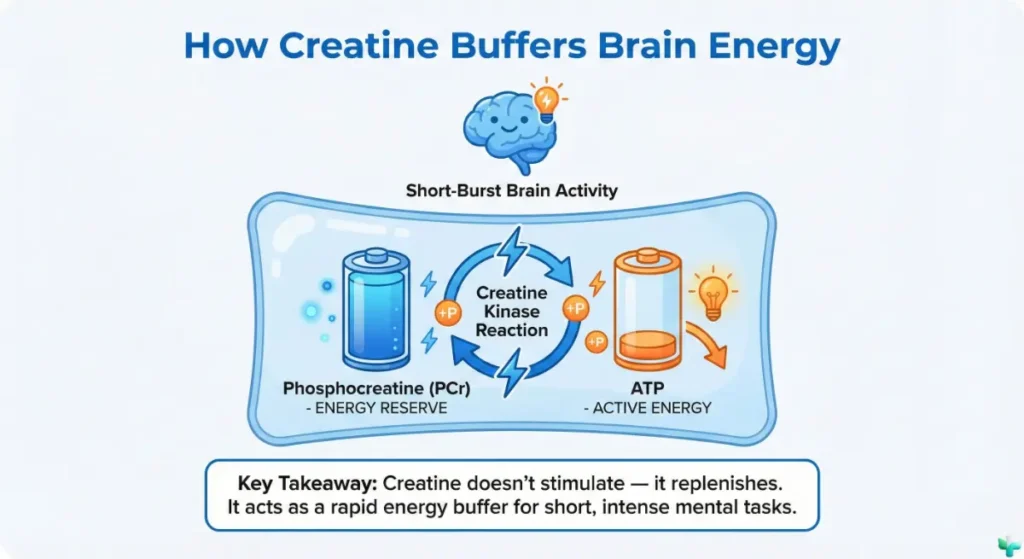
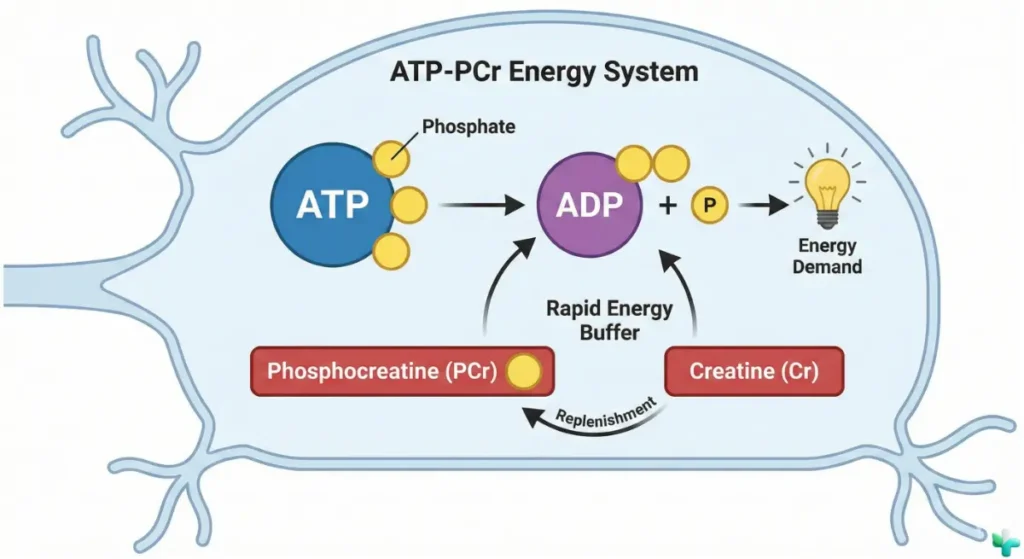
Think of creatine like a rechargeable power bank for cells. Your body uses ATP as its “spendable energy.” The problem is ATP gets used quickly, especially during short bursts of high demand—like intense exercise, but also heavy thinking, stress, and sleep loss.
Creatine helps by storing energy as phosphocreatine. When demand spikes, phosphocreatine can help rebuild ATP faster. Not magic. Just energy buffering.
Quick Facts
- What It Is
- A naturally occurring compound made from amino acids; also found in foods like red meat and fish.
- Forms Available
- Monohydrate, HCl, buffered, magnesium creatine chelate, nitrate, gummies (usually monohydrate inside).
- Typical Dose Range
- 3–5 g daily for most adults; higher protocols exist but aren’t required for most people.[1]
- Best Time to Take
- Any time you’ll actually remember; consistency matters more than timing.
- How Long Until Results
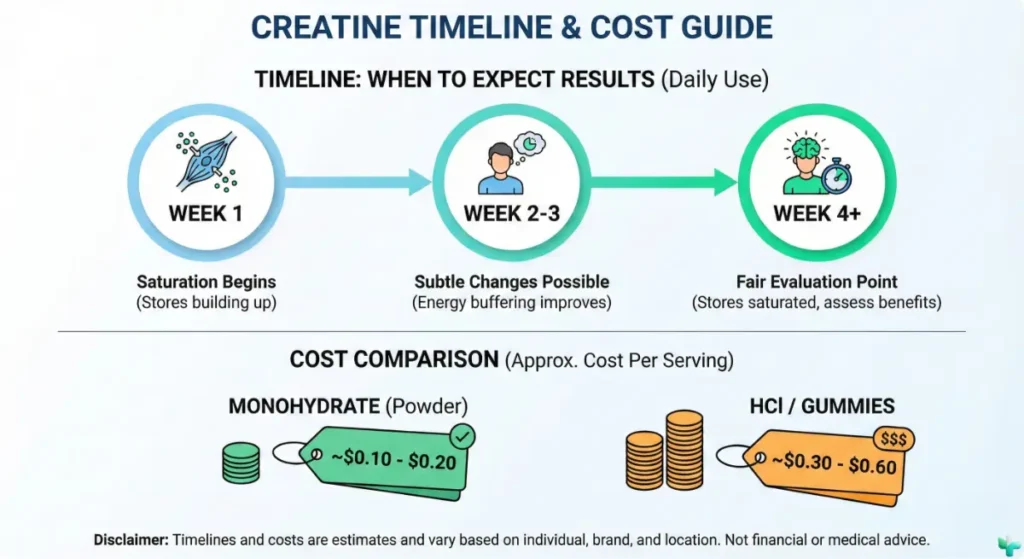
- Often 2–4 weeks for noticeable effects if it’s going to help; faster if using a loading phase.
So where does “brain fog” come in? Brain fog isn’t a diagnosis—it’s a symptom cluster. People usually mean slower thinking, poor focus, low motivation, and that “mentally drained” feeling.
Creatine makes the most sense when your brain is under a higher energy squeeze: not enough sleep, lots of cognitive work, hard training, low dietary creatine intake, or certain neurologic stressors. The evidence for cognitive benefits is mixed overall, but it’s strongest in “high-demand” situations and weaker in everyday, well-rested adults.[1][2]
Creatine & Cognitive Function Meta-Analysis (2024)
Moderate EvidenceKey Finding: Creatine supplementation showed small-to-moderate improvements in memory and processing speed, particularly in individuals under cognitive stress (sleep deprivation, aging, or high mental demand).
Who Might Benefit Most?
Based on current research, creatine for cognition seems to help the most in these groups:
- Vegetarians and vegans — Since creatine is found in meat, vegetarians often have significantly lower baseline muscle creatine. Studies show they experience the largest cognitive jump from supplementation compared to omnivores.[2]
- Sleep-deprived people — studies show creatine can partially buffer cognitive decline during sleep loss.[3]
- Older adults — emerging research suggests potential benefits for aging brains, where cellular energy efficiency naturally declines.[2]
- High cognitive demand — students during exams, shift workers, anyone doing sustained mental work.
- Post-viral fatigue (emerging) — some researchers are exploring creatine for lingering fatigue after infections like COVID-19, though this research is still preliminary and shouldn’t be considered proven.[4]
- Women — Women typically have 70–80% lower endogenous creatine stores than men. This makes supplementation potentially more impactful for women, especially during menses, pregnancy, or menopause when nutrient demands shift.[4]
What the Research Shows
Creatine monohydrate is one of the most studied sports supplements for performance and safety, and position statements from sports nutrition experts include dosing protocols and long-term safety notes.[1] For brain outcomes, studies are smaller and less consistent, so the evidence is best described as moderate-to-limited depending on the exact situation (sleep deprivation, diet pattern, age group, and test used).
If you want to see how we grade evidence (and why some claims get labeled “limited”), check how we judge supplement evidence.
How to Use Creatine for Brain Fog (Dose, Timing, and What to Buy)
Let’s get you a plan that’s simple enough to follow and honest enough to trust.
Step 1: Pick a Dose You’ll Stick With
For brain fog, I usually start people at 3 grams daily for a week, then move to 5 grams daily if they tolerate it. You don’t need a loading phase unless you’re trying to saturate faster and you’re okay with a higher chance of stomach upset.[1]
| Goal | Dose | When to Take |
|---|---|---|
| Steady brain support (simple plan) | 3–5 g daily | Any time; take with a meal if you get GI upset |
| Faster saturation (optional) | ~20 g/day split into 4 doses for 5–7 days, then 3–5 g daily | With food; split doses to reduce stomach issues |
| Sensitive stomach | 2–3 g daily | With meals; increase slowly |
Step 2: Choose the Form (Here’s the Truth)
Creatine comes in a bunch of forms. Most of the time, the decision is easy: creatine monohydrate is the one with the strongest track record and the best cost-to-benefit ratio.[1]
Creatine Monohydrate vs “Fancy” Forms
Most alternative forms are trying to solve two issues: mixability and stomach comfort. That’s a real goal. But “easier to mix” isn’t the same thing as “works better.”
- Monohydrate: Most studied; usually the best first pick.
- HCl / buffered forms: May feel gentler for some people, but the evidence base is smaller than monohydrate.
- Gummies / blends: Convenient, but you’re often paying for flavoring and marketing; check the grams per serving. Watch for added sugars—some gummies have 3-5g sugar per serving, which matters if you’re blood sugar-sensitive or tracking carbs.
| Factor | Creatine Monohydrate | Other Forms (HCl, Buffered, Gummies) |
|---|---|---|
| Best For | Most people starting creatine | People prioritizing taste/mixability or who can’t tolerate monohydrate |
| Evidence | Strongest track record[1] | Less studied; benefits often assume “same creatine inside” |
| Side Effects | GI upset possible, especially with high doses | May be better tolerated for some; gummies may have added sugars |
| Cost (30-day) | ~$0.10–0.20/serving (usually lowest) | ~$0.30–0.60/serving (often higher) |
Which Should You Choose?
Step 3: Think About What Else You’re Taking
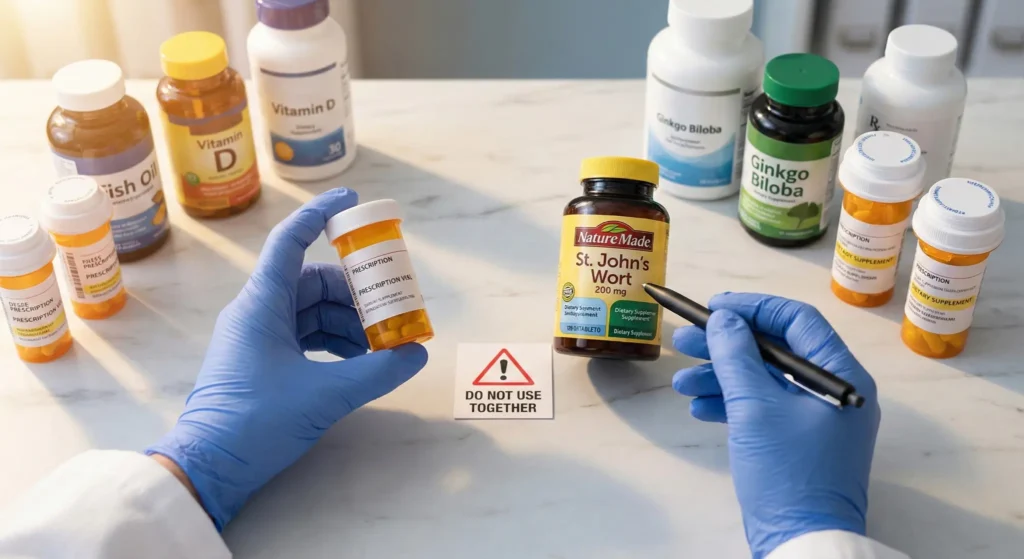
Creatine isn’t known for lots of dangerous drug interactions, but your full stack still matters—especially if you have kidney disease, uncontrolled high blood pressure, or you’re on multiple meds. When in doubt, ask your pharmacist.
A note on caffeine: Some older research suggested high caffeine doses might blunt creatine’s muscle benefits slightly, but this hasn’t been consistently replicated. For brain fog purposes, moderate caffeine (1-2 cups of coffee) alongside creatine is likely fine for most people. Just don’t expect creatine to replace caffeine’s acute alertness boost—they work differently.
Stacking with other nootropics: If you’re combining creatine with other cognitive supplements (like racetams, lion’s mane, or alpha-GPC), there’s no strong evidence of dangerous interactions, but there’s also limited research on combinations. Start one supplement at a time so you know what’s actually helping.
Want a simple way to sanity-check your whole routine? See how PharmaGuide checks your full stack.
Safety, Side Effects, and Who Should Be Extra Careful
Let’s fix the confusing part: “safe” doesn’t mean “for everyone.” It means: for most healthy adults, at normal doses, the risk is low. But your situation decides what “low risk” looks like.
Generally Well-Tolerated (For Many Healthy Adults)
Potential Side Effects (Most Common in Real Life)
- Stomach upset — bloating, cramping, diarrhea, especially with large single doses.[1]
- Water retention — some people notice 1-3 lbs of weight change; this is often water, not fat.
- Dehydration risk if you train hard and don’t drink — not “caused” by creatine, but poor hydration plus hard training can feel worse.
Always Talk to Your Doctor (Or Pharmacist) First If…
Not because you’re “fragile.” Because you deserve a plan that won’t backfire.
- You have kidney disease or a history of significantly reduced kidney function.
- You’re on medications that can affect the kidneys (common examples include certain high-dose NSAID use, and some immune-suppressing drugs). Don’t guess—ask.
- You’re pregnant or breastfeeding (not because we “know it’s harmful,” but because safety data is limited and it’s not worth the uncertainty).
- You have uncontrolled high blood pressure or significant heart disease and you’re starting new supplements—get a quick green light first.
When to Stop and Call Your Doctor
Stop creatine and get medical advice if you develop new swelling (face/ankles), shortness of breath, marked drop in urination, severe persistent vomiting, or new flank/back pain with fever. Those aren’t “normal supplement side effects.”
Myths and Misconceptions
Myth #1: “Creatine is basically steroids.”
The reality: Creatine is not a hormone and not an anabolic steroid. It’s a naturally occurring compound your body already makes, and it’s found in food like beef and fish.[1]
Myth #2: “Creatine is only for bodybuilders.”
The reality: Athletes use it, yes. But the mechanism (cell energy buffering) isn’t “gym-only.” It’s why researchers study it for cognition, aging, and even neurological conditions.
Myth #3: “It will damage your kidneys.”
The reality: In healthy adults using typical doses (3-5g/day), major sports nutrition reviews do not consider creatine inherently kidney-toxic. The bigger issue is people with existing kidney disease or people who start creatine while taking other kidney-stressing meds without checking first.[1]
Myth #4: “If you don’t feel it in 3 days, it doesn’t work.”
The reality: Creatine usually isn’t an instant “feels like caffeine” supplement. A fair trial is often 2–4 weeks of daily use—plus actually fixing sleep, hydration, and nutrition basics. Some people never “feel” it but still show objective improvements on cognitive tests.[2]
Myth #5: “Creatine causes hair loss.”
The reality: This comes from one small 2009 study that found a temporary increase in DHT (a hormone linked to hair loss) in rugby players—but no actual hair loss was measured, and no other studies have replicated it. If you’re genetically prone to male pattern baldness, theoretically anything affecting DHT could matter, but there’s no strong evidence creatine accelerates hair loss in most people.[1]
The Bottom Line
Creatine can be a reasonable add-on for brain fog, especially if your fog is tied to mental fatigue, poor sleep, heavy training, or low dietary creatine intake. But it’s not a cure, and it won’t replace treating the real cause (like anemia, thyroid problems, depression, medication side effects, or sleep apnea).
If you want the simplest evidence-based plan: start creatine monohydrate at 3 g daily for a week, then 5 g daily if tolerated. Give it 2–4 weeks. If nothing changes, stop and move on.
Key Takeaways
- Creatine is an energy buffer, not a stimulant—don’t expect caffeine-like alertness.[1]
- Monohydrate is still the best first pick for most people (~$0.10-0.20/day).
- 3–5 g daily is a practical dose; loading is optional.
- Best evidence is for sleep-deprived, vegetarians, older adults, and high cognitive demand situations.[2]
- If you have kidney disease (or kidney-risk meds), get medical guidance first.
Want more guides like this? Browse more plain-English supplement guides.
Common Questions
Does creatine actually help brain fog?
It may help some people, especially when brain fog is really “mental fatigue” from high demand (poor sleep, heavy workload, intense training, or low dietary creatine). If brain fog is coming from an untreated medical issue like thyroid problems or anemia, creatine won’t fix the root cause.[2]
What’s the best creatine for brain fog?
Creatine monohydrate is the best first choice because it has the longest research track record and is usually the best value (~$0.10-0.20 per serving). If monohydrate upsets your stomach even at lower doses, HCl or another form may be worth trying.[1]
How much creatine should I take for brain fog?
A common plan is 3–5 grams daily. Many people start at 3 grams for a week and increase to 5 grams if tolerated. Taking it with food can help reduce stomach issues.[1]
How long does creatine take to work for mental clarity?
Creatine isn’t usually instant. A fair trial is often 2–4 weeks of daily use. If you’re using a loading phase (~20g/day for 5-7 days), saturation may happen faster, but stomach upset is more common.
Is creatine safe for your kidneys?
For healthy adults using typical doses (3-5g daily), expert sports nutrition reviews do not consider creatine inherently kidney-toxic. But if you have kidney disease, reduced kidney function, or kidney-risk medications, talk to your clinician before starting.[1]
What should I look for when buying creatine?
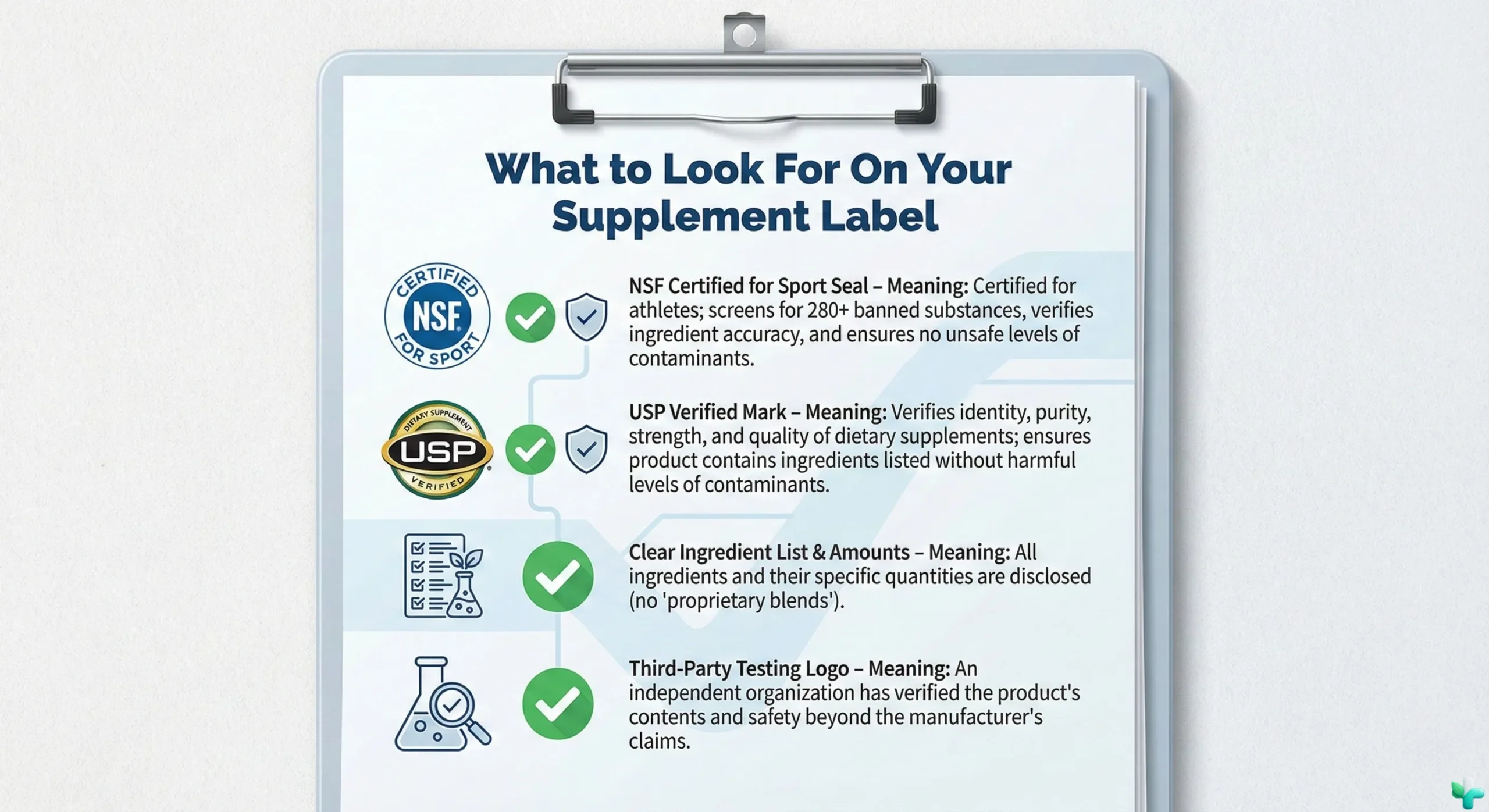
Look for creatine monohydrate with clear dosing in grams per serving and third-party testing. Programs like NSF Certified for Sport or USP Verified can reduce contamination risk.[5] For gummies, check both the creatine content AND added sugars per serving.
Sources & References (8 citations)
- Kreider RB, Kalman DS, Antonio J, et al. “International Society of Sports Nutrition position stand: safety and efficacy of creatine supplementation in exercise, sport, and medicine.” Journal of the International Society of Sports Nutrition. 2017. Full text
- Forbes SC, Cordingley DM, Cornish SM, et al. “Effects of creatine supplementation on brain function and health.” Exp Gerontol. 2024;194:112512. PubMed
- Cook CJ, Crewther BT, Kilduff LP, et al. “Skill execution and sleep deprivation: effects of acute caffeine or creatine supplementation.” J Int Soc Sports Nutr. 2011;8:2. Full text
- Smith-Ryan AE, Cabre HE, Eckerson JM, Candow DG. “Creatine Supplementation in Women’s Health: A Lifespan Perspective.” Nutrients. 2021;13(3):877. Full text
- NSF International. “NSF Certified for Sport®.” Program overview
- U.S. Pharmacopeia (USP). “USP Verified Dietary Supplements.” What the Verified Mark means
- U.S. Electronic Code of Federal Regulations. “21 CFR Part 111 — Current Good Manufacturing Practice for Dietary Supplements.” View regulation
- FDA. “Dietary Supplements.” (General regulatory and safety context.) FDA guidance hub
Take the Guesswork Out of Supplements
Understanding creatine for brain fog is just the start. PharmaGuide’s AI Pharmacist analyzes your complete health profile to give you personalized, evidence-based recommendations.
Join the Waitlist →